

Nonprofit & Community Partners
Hunger affects individuals’ stability and opportunity for success. We strive to meet people when and where they are, making it easier for them to access fresh, healthy food.
Our partners include both traditional hunger relief organizations like pantries and soup kitchens, and non-traditional ones like public housing sites, community centers, and after-school programs.
How receiving food works
We let you know when food is available
Whenever we receive a food donation—whether it’s a one-time opportunity or a weekly rescue—we’ll reach out to see if you’re interested. If it’s a good fit, great!
If not, not problem – saying no is always okay.
1
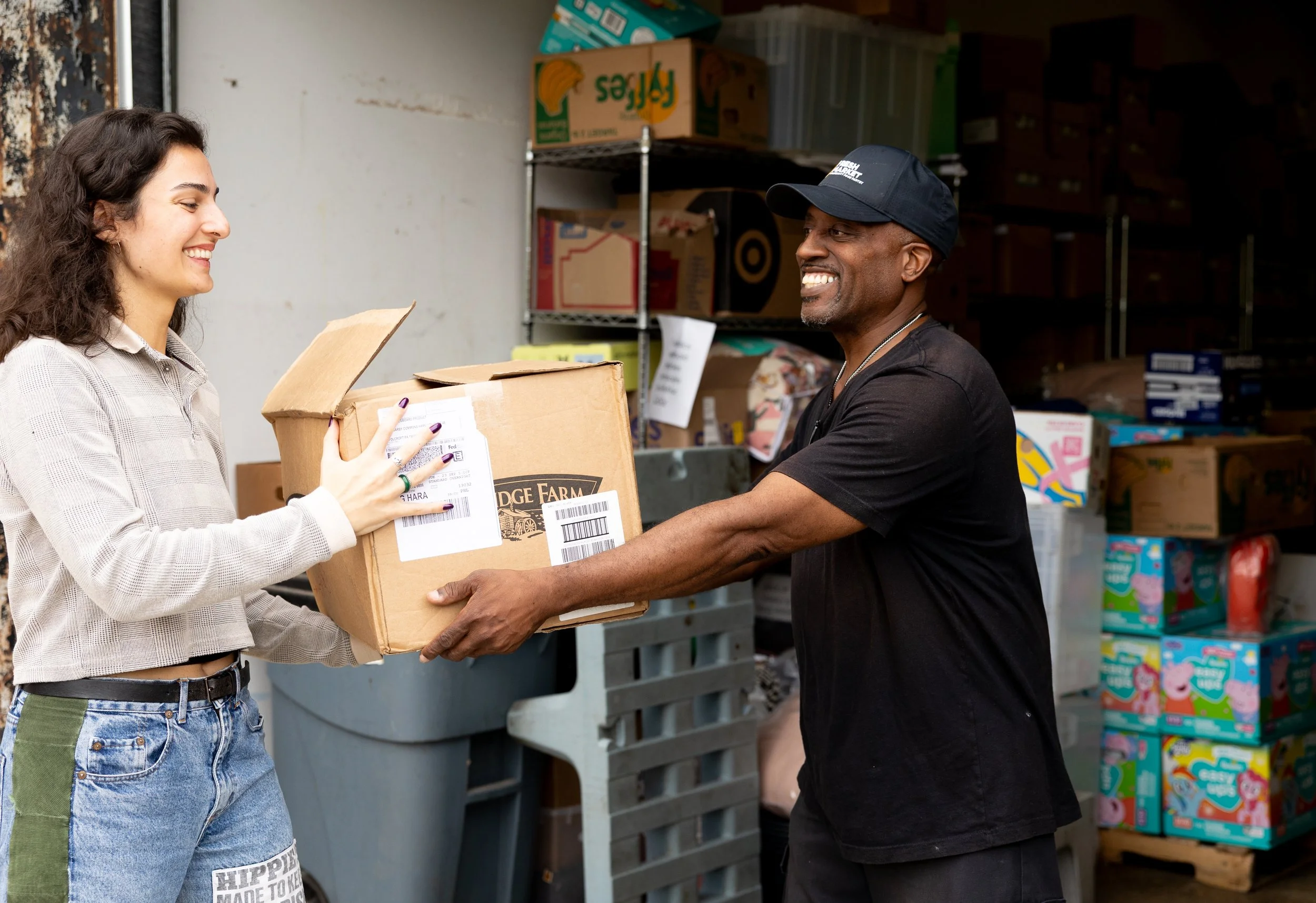
A volunteer delivers the food to you
If you accept the donation, a Chicago Food Rescue volunteer will pick it up and bring it directly to you within your available delivery window. They’ll reach out when they’re en route so you know when to expect them.
2
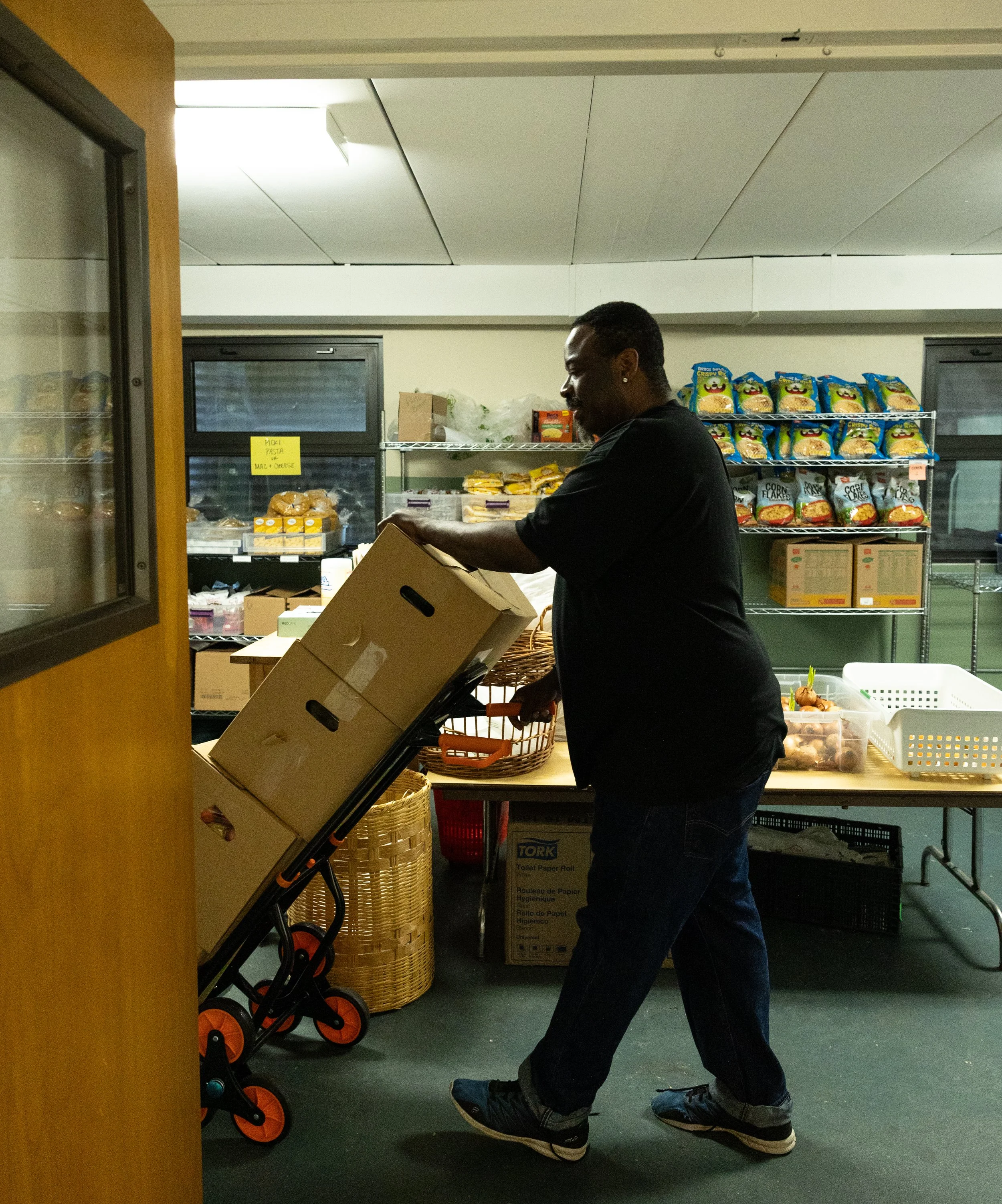
Use the food to nourish your community
Once the food arrives, it’s yours to use however best supports your mission. Whether it feeds families, fuels a meal program, or stocks your pantry—you know your community’s needs best.
3
Nonprofit & Community Partner FAQs
-
Rescued food is perfectly edible food that would otherwise go to waste.
-
Food insecurity is not a supply and demand issue...it’s a supply chain issue! 40% of the food produced in the US food goes to waste, while 1 in 7 people go hungry (1 in 5 in Chicago). It’s not that we do not make enough food, it’s simply that good food is ending up in landfills rather than being eaten. CFR aims to prevent this waste and improve food access for our neighbors.
-
We're a volunteer-driven transportation solution that coordinates food rescues through the CFR app. Food donations are entered into the app, which notifies volunteers when and where to pick it up. They then claim the rescue and deliver the food directly to the nonprofit or community partner.
-
We deliver food rescues to any organization or institution serving people in need of food — soup kitchens, pantries, public housing sites, WIC sites, and more.
-
Any food that's edible and has been stored properly. Although we do not accept donation from private residence or food from a self-serve buffet.
-
Yes! We work with volunteers and use technology to track how long food is in transit, ensuring it reaches our nonprofit and community partners in time to be safely served or stored.
-
Due to the nature of retail food donation, we cannot accommodate specific food requests but we can work with you to meet your needs. Nonprofits can always decline a delivery or request a smaller amount.
-
Absolutely! Recipient partners can be both recipients and donors. As long as you follow our donation guidelines, we’ll gladly rescue your surplus food.
-
No, CFR partners with nonprofits that serve people facing food insecurity. Our goal is to help vulnerable communities and reduce food waste...a win-win!
-
Yes, we can provide your organization with detailed rescue information on the food you’ve received, including weight, meal equivalent and number of rescues.
-
We totally understand but you don’t need to be and here’s why:
The Bill Emerson Good Samaritan Act - protects food donors and nonprofits from civil and criminal liability if the food was donated in good faith and was not knowingly unsafe or spoiled at the time of donation.
Food Donation Improvement Act - strengthens and extends protections from the Bill Emerson Good Samaritan Act to food donations made directly to individuals, as long as the donations are free and made in good faith.